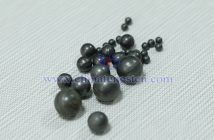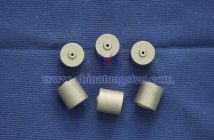
Tungsten-nickel-iron alloy is a material with tungsten as its base, incorporating nickel and iron, where tungsten content typically ranges from 90% to 98%, and the nickel-to-iron ratio is commonly 7:3 or 1:1. It exhibits high density, high strength, and excellent radiation shielding capabilities, finding wide use in counterweights and shielding applications. However, its performance is not fixed and is influenced by factors such as composition ratio, raw material quality, forming process, and heat treatment parameters.
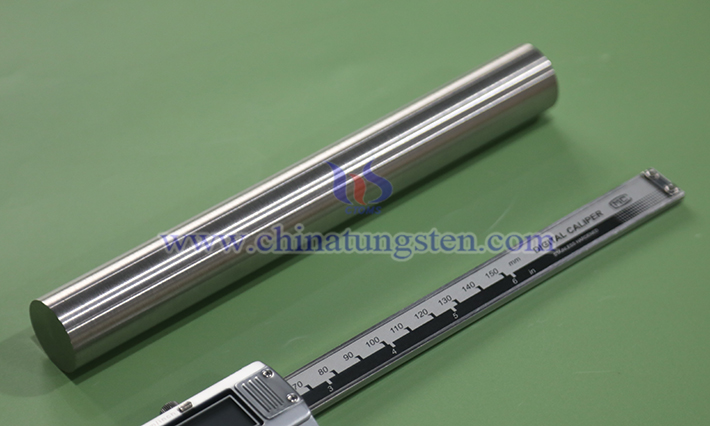
Composition Ratio: The proportions of tungsten, nickel, and iron significantly affect the alloy’s properties. Higher tungsten content increases density and hardness but may reduce toughness. Nickel enhances ductility and corrosion resistance while lowering the sintering temperature, while iron balances cost and performance. Optimizing these ratios can achieve a synergy of high density, high strength, and good processability.
Powder Characteristics: The properties of raw powder, including particle size distribution, morphology, and purity, are foundational to alloy performance. Fine powders (e.g., submicron level) boost sintering activity and densification but can lead to agglomeration if too fine. Spherical powders improve flowability and molding uniformity, while impurities like oxygen and carbon must be controlled to prevent brittle phase formation, which could reduce toughness and fatigue resistance.
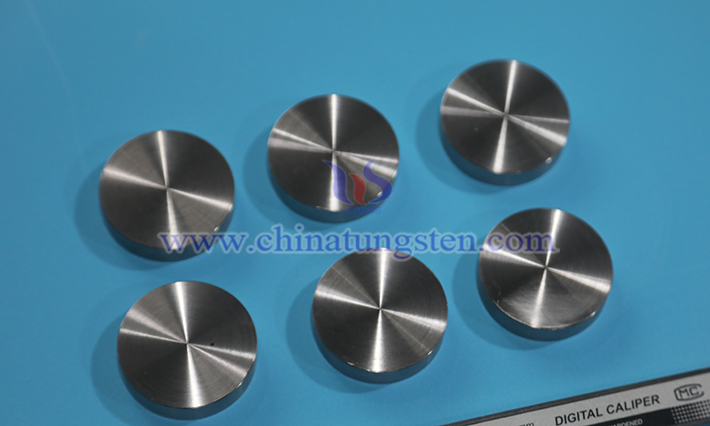
Forming Process: This is a critical step in controlling the alloy’s internal structure. Hot pressing, with simultaneous high temperature and pressure, enables rapid densification and reduces porosity. Hot isostatic pressing uses isotropic pressure to eliminate internal defects, enhancing uniformity. Vacuum sintering, by controlling the atmosphere, prevents oxidation and promotes elemental diffusion. These processes influence grain size, phase distribution, and residual stress, impacting mechanical properties and dimensional stability.
Heat Treatment: This final step optimizes alloy performance. Annealing relieves processing stress and improves toughness, while quenching fixes high-temperature phase structures to enhance hardness and strength. Subsequent tempering adjusts the balance between hardness and toughness. The control of heat treatment temperature, duration, and cooling rate affects the final microstructure—such as martensite content and carbide precipitation morphology—thereby influencing key properties like wear resistance and impact resistance.