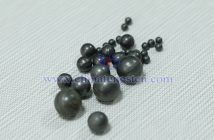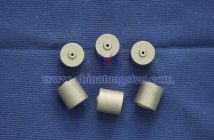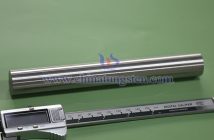
As a vital piece of equipment in the field of radioactive material protection, the tungsten alloy shielding can, with its unique material properties and structural design, is widely applied in nuclear energy, medical, and research fields.
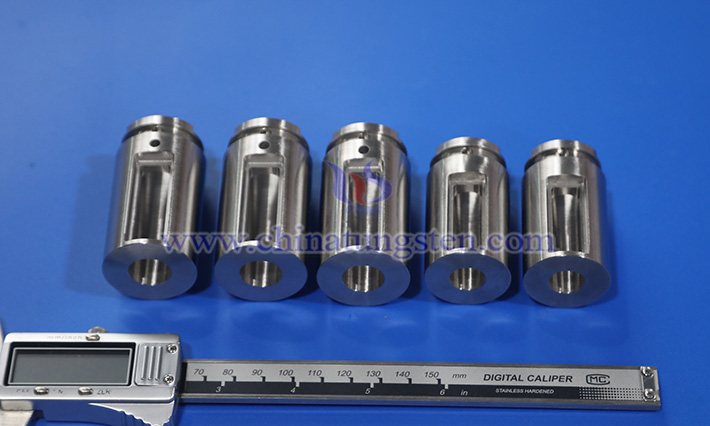
I. Advantages of Tungsten Alloy Shielding Cans
The density of tungsten alloy far exceeds that of traditional shielding materials. When radiation particles pass through tungsten alloy, the high-density electron cloud continuously absorbs energy through mechanisms like the photoelectric effect and Compton scattering, reducing radiation intensity.
Tungsten alloy is an environmentally friendly material, being non-toxic and harmless, meeting modern industry's demand for green materials. In contrast, traditional lead shielding materials are somewhat toxic, and prolonged exposure may lead to nervous system damage.
Tungsten alloy is heat-resistant and corrosion-resistant, maintaining structural integrity in high-temperature radiation fields or acidic/alkaline environments, thus extending the service life of the shielding can. For instance, in nuclear waste storage, tungsten alloy shielding cans can withstand prolonged radiation exposure without failure, ensuring the safe isolation of radioactive substances.
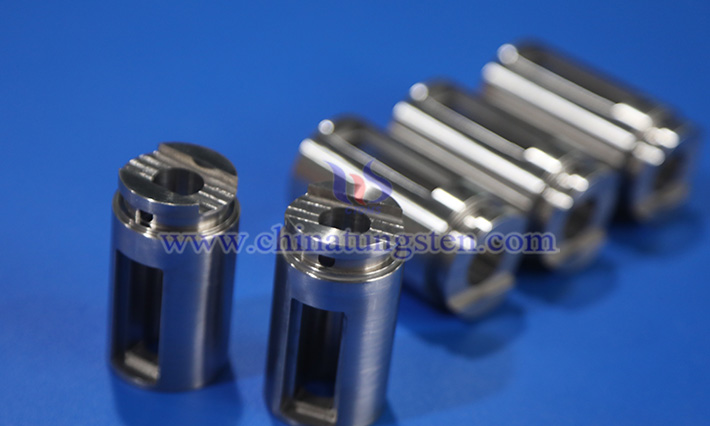
II. Disadvantages of Tungsten Alloy Shielding Cans
Tungsten, as a rare metal, has limited reserves and high mining costs, resulting in higher raw material costs for tungsten alloy shielding cans compared to lead and other traditional materials. Additionally, processing tungsten alloy requires high-temperature and high-pressure environments, placing stringent demands on equipment and techniques, further increasing manufacturing costs.
Tungsten alloy has high hardness but low toughness, making it prone to brittle fracture under severe impact. Although adding binders like nickel or iron can improve its ductility, structural optimization is still needed to enhance impact resistance under extreme conditions. For example, during spent nuclear fuel transportation, shielding cans handled by robotic arms require designs that balance strength and toughness.
Tungsten alloy has a low thermal expansion coefficient, and its compatibility with metal sealing rings in high-temperature environments needs careful control to prevent sealing failure. For instance, shielding cans used near nuclear reactors require special designs to cope with temperature fluctuations, ensuring long-term airtightness.