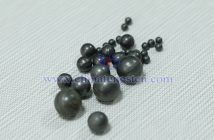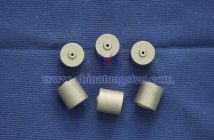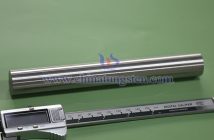
Tungsten carbide balls are high-performance spherical materials formed by sintering tungsten carbide (WC) powder with cobalt (Co) or other metal binder powders at high temperatures. The core component, tungsten carbide, offers extremely high hardness, while binders like cobalt provide toughness.
Ordinary tungsten carbide balls already possess excellent wear resistance and corrosion resistance. However, for high-temperature environments (e.g., exceeding 500°C), specialized high-temperature resistant variants are developed. These high-temperature resistant tungsten carbide balls achieve enhanced thermal stability through optimized alloy compositions, the addition of heat-resistant elements (such as tantalum, titanium, or molybdenum), or specialized sintering processes (e.g., hot isostatic pressing, HIP). They can operate at temperatures of 800–1200°C or even higher.
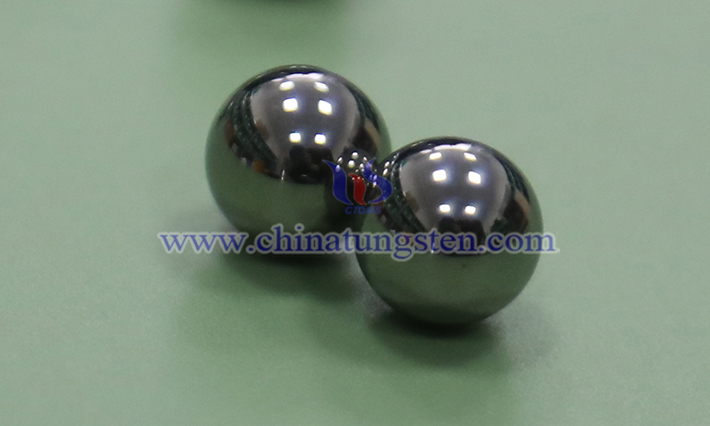
The preparation process for high-temperature resistant tungsten carbide balls is complex. First, raw material powders are ball-milled to ensure uniform distribution. Then, they are sintered at high temperatures in a vacuum or hydrogen atmosphere to form a dense structure. Subsequently, the material is shaped into spherical forms through precision grinding or electrical discharge machining, with diameters customized to requirements. The surface can be coated with PVD or CVD coatings, such as TiAlN or AlCrN, to further enhance oxidation resistance and thermal fatigue resistance. Compared to traditional steel balls, these balls have higher density, greater flexural strength, and a lower thermal expansion coefficient, making them less prone to deformation or cracking at high temperatures.
The high-temperature resistance mechanism stems from the alloy’s microstructure: fine and uniform tungsten carbide grains, combined with a stable cobalt phase that forms a solid solution at high temperatures, suppress grain boundary sliding and crack propagation. Additionally, the inclusion of rare earth elements can refine grains, improving creep resistance.
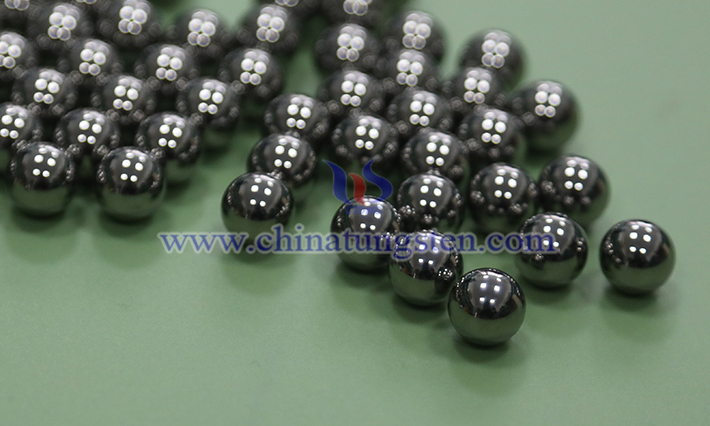
High-temperature resistant tungsten carbide balls have a wide range of applications. In aerospace, they are used as corrosion-resistant beads in turbine engine nozzles or high-temperature sealing balls, capable of withstanding instantaneous thermal shocks. In oil drilling, they serve as embedded ball teeth in roller cone bits, enduring high temperatures while drilling through hard rock formations, thus extending tool life. In the chemical industry, they function as valve sealing balls or stirring media in reactors, resisting corrosion in acidic or alkaline high-temperature environments. In metallurgy and powder metallurgy, they are used in high-temperature ball mills to grind refractory materials, ensuring uniform and contamination-free powders. Additionally, in the nuclear industry and electronic packaging, their high thermal conductivity and low thermal stress make them ideal for heat-conducting balls.