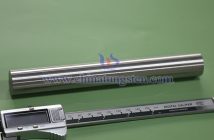
The magnetic properties of tungsten alloy rods are not a single fixed attribute, but a key performance indicator jointly determined by the type, content of magnetic elements in the material composition and the microstructure. Based on the difference in magnetism, the classification of tungsten alloy rods includes magnetic tungsten alloy rods and non-magnetic tungsten alloy rods.
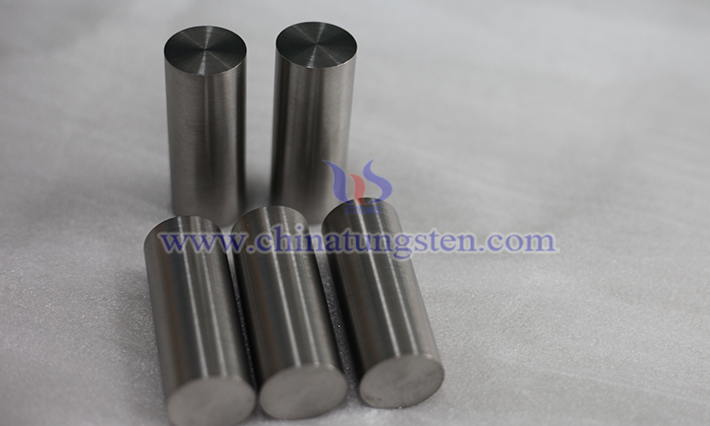
Magnetic tungsten alloy rods: With tungsten as the matrix, strong magnetic elements such as iron and cobalt are added as the binder phase to achieve the composite performance of "high density + magnetism". Tungsten-nickel-iron alloy rods are a typical type of magnetic tungsten alloy rods, in which iron is the key element endowing magnetism, and nickel mainly improves the density and ductility of the alloy. The application scenarios are concentrated in fields that require the synergy of high density and magnetism. In the military industry, it is used to manufacture counterweights for magnetic fuzes; in the civil machinery field, it serves as the base material for friction plates of electromagnetic clutches; in the automation equipment field, it is used as guide blocks and positioning pins for magnetic conveyor lines. In addition, in mineral exploration equipment, it acts as the counterweight core of magnetic probes, taking into account the functions of magnetic signal transmission and weight balance.
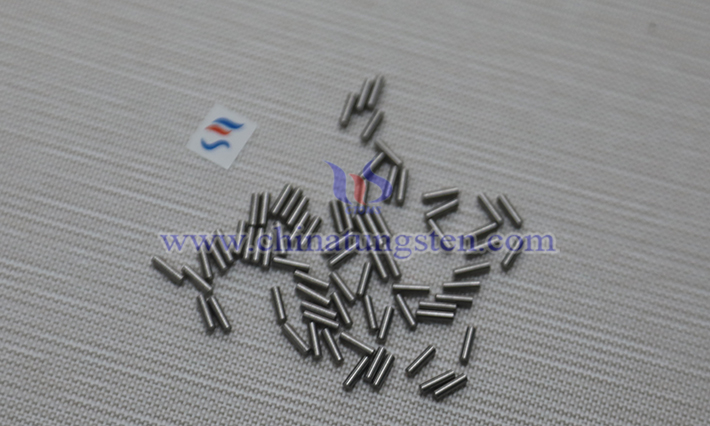
Non-magnetic tungsten alloy rods: Non-magnetic elements such as copper and silver are used to replace iron and cobalt as the binder phase, eliminating magnetism from the root of the composition. Common products include tungsten-nickel-copper alloy rods, tungsten-copper alloy rods, silver-tungsten alloy rods, etc. Among them, tungsten-nickel-copper alloy rods are the most representative non-magnetic high-density alloy rods, which are key materials in high-end fields sensitive to magnetic fields. In the medical field, it is used as counterweights, positioning rods and shields for magnetic resonance imaging equipment; in the aerospace field, it is applied to gyro rotors of inertial navigation systems and balance weights of satellite antennas; in the electronic information field, it serves as microwave shields for radar systems and signal isolation blocks for communication equipment.
The magnetic determination of tungsten alloy rods shall be based on two core indicators: magnetic permeability and remanence. The industry general standard is: those with high magnetic permeability and significant remanence are magnetic tungsten alloy rods; those with magnetic permeability close to the vacuum permeability and low remanence are non-magnetic tungsten alloy rods. The root cause of this difference lies in whether the alloy composition contains ferromagnetic elements such as iron and cobalt.