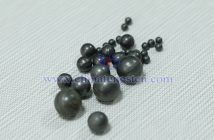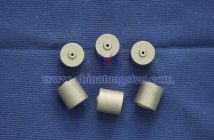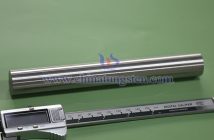
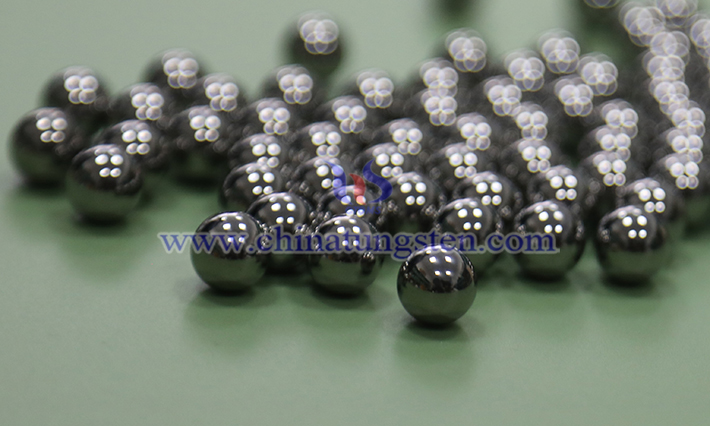
Cemented carbide balls for corrosion-resistant pump bodies are spherical functional components made from micron-sized metal carbide powders such as tungsten carbide (WC) and titanium carbide (TiC), with the addition of binders such as cobalt (Co), nickel (Ni), or molybdenum (Mo), and sintered using powder metallurgy. Their physical properties and chemical stability are significantly superior to traditional steel balls, making them a core component for pump sealing and wear resistance under extreme operating conditions.
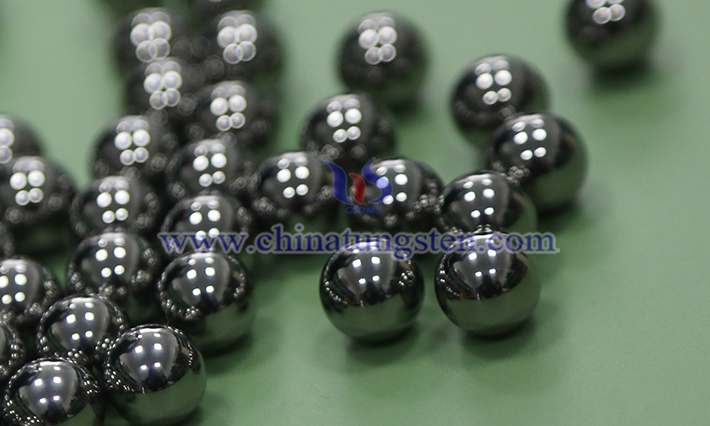
1. Material Characteristics of Cemented Carbide Balls for Corrosion-Resistant Pump Bodies
Cemented carbide balls can achieve a hardness of over 90.5 HRA, a density of approximately 14.9 g/cm3, and wear resistance dozens of times that of steel balls. Taking the YG8 grade as an example, its tungsten carbide content reaches 92%, and the cobalt binder accounts for 8%. After vacuum sintering at 1500℃, a dense structure is formed, which can resist the corrosion of strong corrosive media such as hydrochloric acid and sulfuric acid, while also withstanding high-temperature environments up to 600℃. Experimental data shows that under heavy oil well conditions with a sand content of 15%, the wear of a cemented carbide valve ball is less than 0.01 mm after 2000 hours of continuous operation, while ordinary steel balls experience sealing failure after only 200 hours under the same conditions.
2. Application Scenarios of Cemented Carbide Balls for Corrosion-Resistant Pump Bodies
Petrochemical Industry: In deep-sea drilling pump and valve systems, cemented carbide balls serve as key opening and closing components, withstanding 42 MPa high pressure and the erosion of media containing wax and sand particles. For example, vacuum sintered valve balls produced by Jiaxing Jienaier achieved 18 months of continuous oil pumping without leakage in actual tests at the Yinggehai Oilfield in the South China Sea, extending the lifespan by three times compared to traditional nickel-based alloy valve balls.
Extreme Environment Transportation: Full-bore welded cemented carbide ball valves are used in the West-East Gas Pipeline underground network. Their V-shaped opening structure allows for flow adjustment, while simultaneously withstanding alternating conditions of -50℃ cryogenic and 80℃ high temperatures. The sealing surface roughness Ra≤0.025μm ensures zero leakage of flammable media such as hydrogen.
In the field of precision manufacturing: In ultrapure water delivery pumps for the semiconductor industry, YN12 grade non-magnetic balls are processed with a precision of 0.3μm to avoid metal ion contamination and meet the CLASS 1 cleanroom standard.