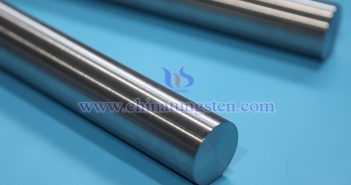
What Is Tungsten Alloy?
58
The primary component of tungsten alloy is tungsten (W), typically enhanced with elements such as nickel (Ni), iron (Fe), and copper (Cu)…

The primary component of tungsten alloy is tungsten (W), typically enhanced with elements such as nickel (Ni), iron (Fe), and copper (Cu)…
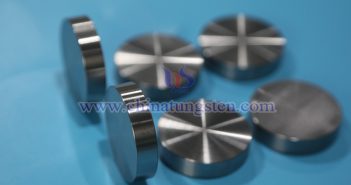
Tungsten alloy discs, owing to their unique physical and chemical properties, are increasingly widely used in counterweight applications, particularly excelling in high-demand…
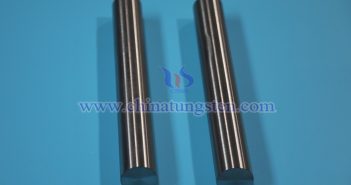
Tungsten alloy, with its comprehensive advantages in density, temperature resistance, and mechanical properties, serves as a bridge connecting traditional industry with high-end…
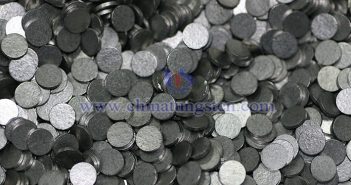
As a high-performance alloy material, tungsten alloy discs demonstrate significant application value across multiple advanced fields due to their unique physical and…
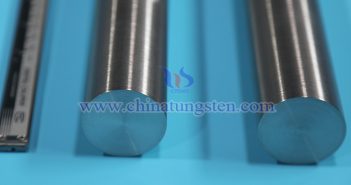
Mentioning tungsten alloy bar often conjures images of heavy industrial equipment or cold mechanical parts. However, this material, formed by fusing tungsten…
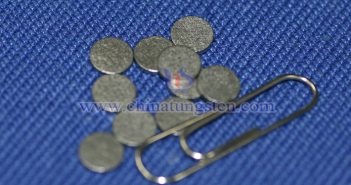
The name “tungsten alloy disc” intuitively reflects its shape and material. Simply put, it is a disc made primarily of tungsten, combined…
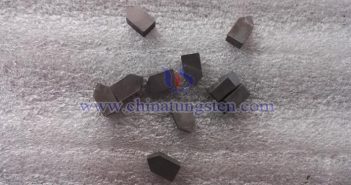
Tungsten carbide (WC) is a compound composed of the refractory metal tungsten and non-metal carbon, characterized by high density, high melting point,…

Although both thorium-tungsten and cerium-tungsten electrodes are primarily made from metal tungsten and cerium-tungsten can often substitute for thorium-tungsten, differences in their…

Like cerium-tungsten, lanthanum-tungsten, zirconium-tungsten, and yttrium-tungsten electrodes, the thorium-tungsten electrode is a product made by doping metal tungsten with the corresponding oxide.…
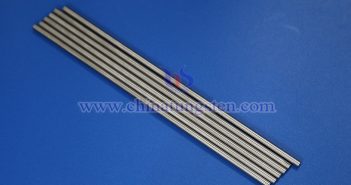
Like tungsten-copper, tungsten-molybdenum, and tungsten-nickel-iron alloys, tungsten-rhenium alloy (W-Re) is a type of high-density tungsten-based alloy that combines the excellent properties of…