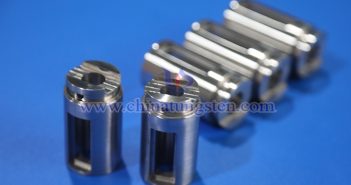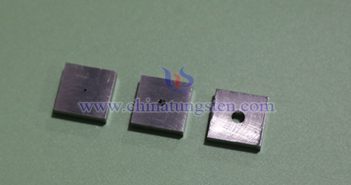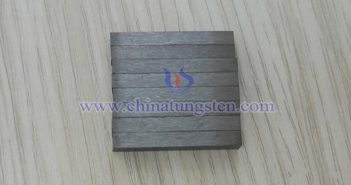
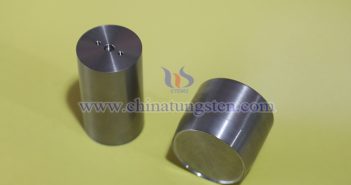
High-density tungsten alloy shielding components offer significant advantages over traditional lead-based shielding components in practical applications. Higher Shielding Efficiency: The density of…
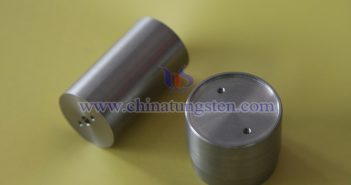
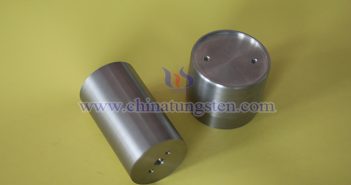
High-density tungsten alloy shielding components possess high density, excellent ray shielding capabilities, and non-toxic, environmentally friendly characteristics. Their application fields include the…
High-density tungsten alloy shielding components are functional parts made with tungsten alloy as the core material, primarily used to shield various types…
In an era of rapid technological advancement, radiation protection has become a critical issue across various fields. Whether it’s the use of…
In the context of continuous advancements in modern medical technology, a variety of sophisticated diagnostic and treatment methods have brought hope to…
Based on differences in chemical composition and structural components, common cemented carbides can be classified into steel-bonded cemented carbide, tungsten-cobalt alloys, tungsten-titanium-tantalum-cobalt…
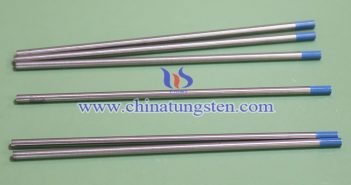
With the continuous improvement of industrial automation, automated welding equipment is becoming increasingly widely used in the manufacturing industry. Automated welding not…
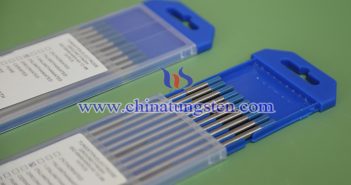
During high-temperature, high-energy arc welding, the electrode tip is subjected to multiple stresses, including intense thermal shock, electrochemical reactions, and metal evaporation.…
In high-precision welding processes such as tungsten inert gas welding (TIG) and plasma welding, the cleanliness and anti-contamination ability of the electrode…
In the welding process, the electrode not only bears the functions of arc guidance and electron emission, but also is the key…