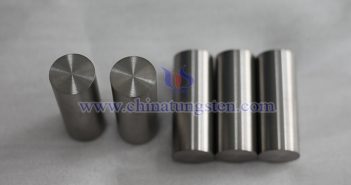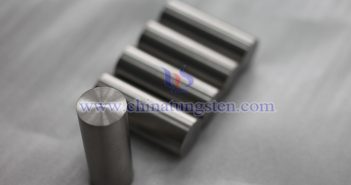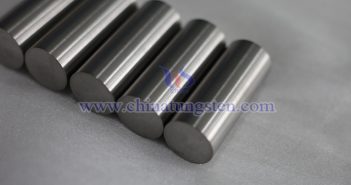

Composite tungsten electrode materials can be categorized into thorium-tungsten electrodes, cerium-tungsten electrodes, yttrium-tungsten electrodes, zirconium-tungsten electrodes, and lanthanum-tungsten electrodes, depending on the…

Phosphorus element, as a typical harmful impurity in tungsten-nickel-iron alloy, is typically controlled to below 0.01%. Even in trace amounts, it influences…
Sulfur element predominantly exerts harmful effects on tungsten-nickel-iron alloy performance: its impact is minimal at low levels, but excessive sulfur content leads…
Sulfur element, as a typical impurity element in tungsten-nickel-iron alloy (typically introduced via raw materials or mixed in during smelting), exists in…
The influence of carbon element on the corrosion resistance of tungsten-nickel-iron alloy is primarily mediated through its forms of existence (carbides, solid…
Although carbon is typically present in trace amounts in tungsten-nickel-iron alloy, its influence on alloy performance is significant. Carbon exhibits a “double-edged…
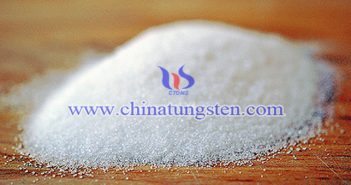
The removal of molybdenum (Mo) impurities from sodium tungstate (Na?WO?) is a critical step in the purification process of tungsten chemicals, especially…
Oxygen is a critical factor in regulating the performance of tungsten-nickel-iron alloy. Through mechanisms such as oxide inclusion formation, solid-solution strengthening, and…
The impurity elements in tungsten-nickel-iron alloy (W-Ni-Fe) originate from complex sources, primarily involving raw materials, production processes, and environmental media. I. Impurities…
In addition to the primary elements tungsten, nickel, and iron, tungsten-nickel-iron alloy contains trace impurity elements such as hydrogen, oxygen, carbon, sulfur,…