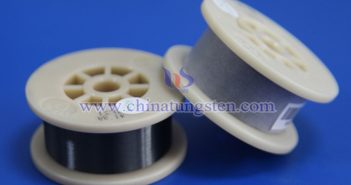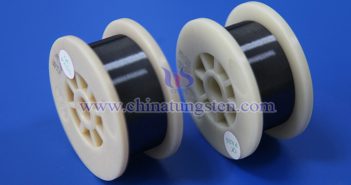
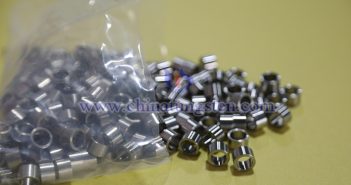
The density of tungsten-nickel-iron alloy, typically ranging from 17.0 to 18.5 g/cm3, is a critical factor influencing its application scenarios. This high-density…
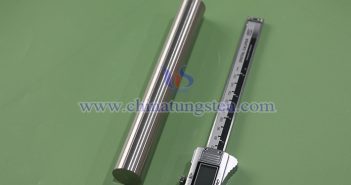
Tungsten-nickel-iron alloy is a high-density alloy with tungsten as the base (typically 80%–98% tungsten content), incorporating nickel, iron, and other elements. It…
Zinc tungstate (Tungsten Zinc, ZnWO?), also known as zinc tungsten oxide, belongs to the tungstate family. It is formed by the chemical…
Compared to sodium tungstate, potassium tungstate (K?WO?) exhibits distinct solubility and chemical reactivity due to the introduction of K? ions. From its…
Compared to alkali metal tungstates (e.g., sodium tungstate and potassium tungstate), calcium tungstate (CaWO?) exhibits markedly different crystal structures and properties due…
Within the family of inorganic functional materials, magnesium tungstate (MgWO?) stands out as a representative alkaline earth metal tungstate, leveraging its unique…
Within the broad field of transition metal compounds, ferrous tungstate (FeWO?) stands out as a representative example of an iron-group element combined…
Defrosting glass usually uses tungsten wire as a heating element because tungsten has a high melting point, high temperature resistance and good…
Anti-fog glass usually prevents fog condensation by embedding or coating a conductive material (such as tungsten wire or conductive film) on the…
The main role of tungsten wire in electric heated glass windows is to act as a heating element. By using its high…