Hydrogen’s influence on tungsten-nickel-iron alloy performance—through hydrogen embrittlement, conductivity degradation, and hydrogen retention—can reduce material reliability. However, controlling hydrogen content and enhancing…
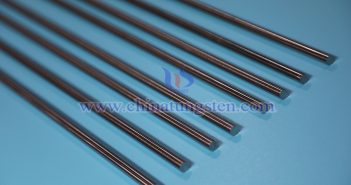
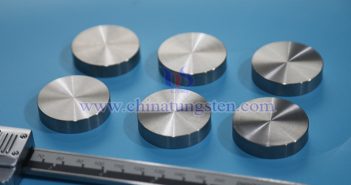
Tungsten-nickel-iron alloy (W-Ni-Fe alloy) is a high-density alloy with tungsten as its matrix, allowing for a balance of density, strength, toughness, and…
Tungsten-nickel-iron alloy boasts high density, high tensile strength, excellent radiation absorption, and good processability, making it widely applicable in aerospace counterweights, armor-piercing…
Tungsten is the core component of tungsten-nickel-iron alloy, imparting exceptional counterweight performance through its high density of 19.35 g/cm3. It also enhances…
Tungsten-nickel-iron alloy is a material with tungsten as its base, incorporating nickel and iron, where tungsten content typically ranges from 90% to…
In the expansive realm of materials science, tungsten-nickel-iron alloy garners significant attention for its unique properties and broad applications. As the name…
In the vast landscape of modern industry, tungsten-nickel-iron alloy stands out as a multifaceted material due to its unique properties, playing a…
Tungsten-nickel-iron alloy, composed of tungsten, nickel, iron, and other elements, features high strength, high hardness, excellent corrosion resistance, and radiation shielding capabilities.…
The physical properties of tungsten-nickel-iron alloy include high strength, good ductility, high hardness, wear resistance, and a low thermal expansion coefficient, while…
Tungsten-nickel-iron alloy is a material with tungsten as the matrix (typically 90%–98% tungsten content), formed by adding nickel, iron, and other elements.…